
If you were playing in the NFL, would you prefer to wear a number in the 80s or 90s or a single digit number? Most people would have a preference for a single digit number if they answered that question. These numbers just look more streamlined and illustrious.

However, players have traditionally had little say about which number they wear thanks to rules governing which numbers can be allocated to certain positions.
We spoke to a US sports journalist from justgamblers who outlined the situation:
Single digit numbers have always been allocated to kickers, punters, and quarterbacks who are also among the smallest players on the field.
At the other end of the number scale, defensive linemen wore numbers 90 through 99 and wide receivers were allocated 80 through 89. The wide receivers situation has begun to change over the years, with players moving to lower numbers. Now, new rules are further opening up the numbering system.
How has numbering for wide receivers already changed and what do these news rules mean? Let’s examine the situation more closely.
Wide receivers previously moved to lower numbers
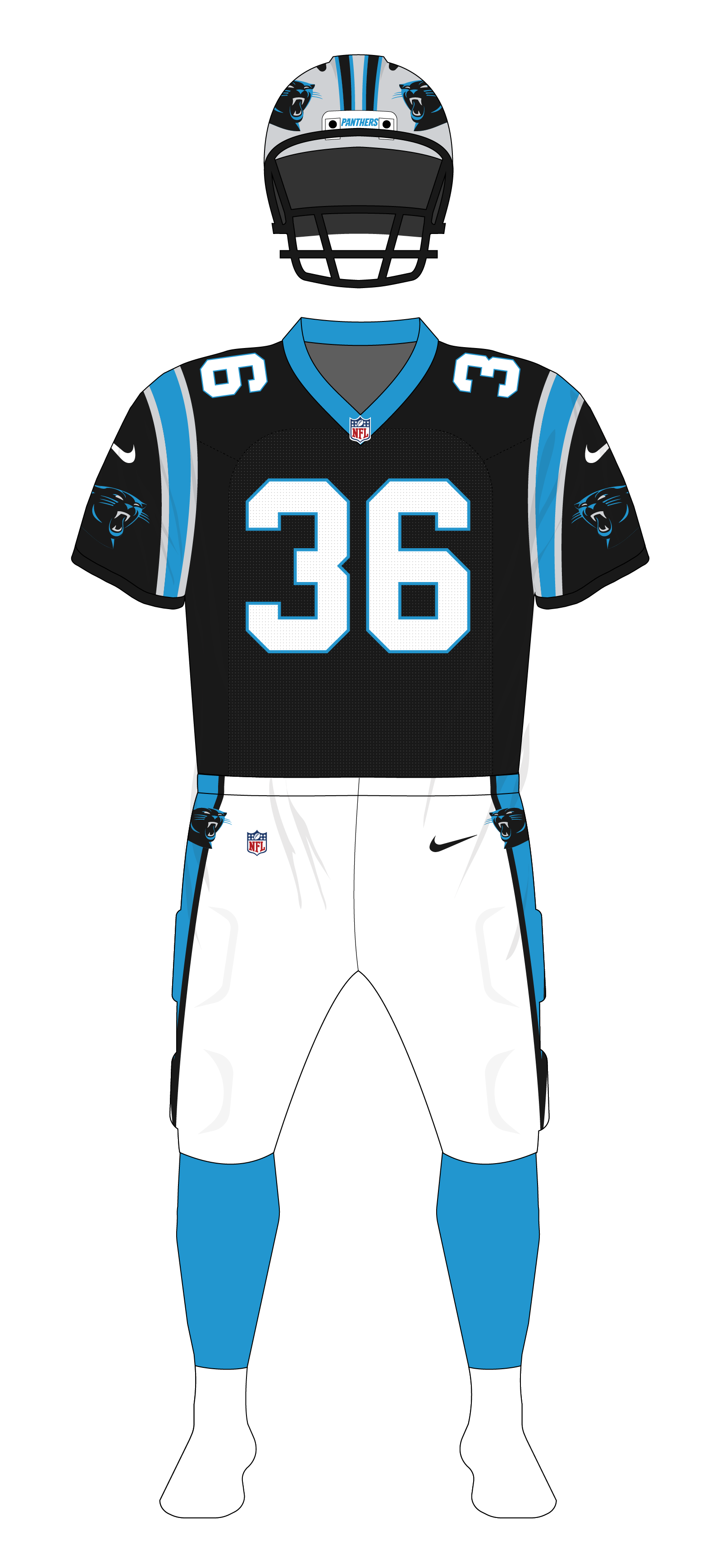
There was a time when wide receivers wore numbers in the 80s. A change to players in this position wearing numbers in the teens began a while back and many top wide receivers now wear these lower numbers.
In fact, since 2019, there are now more wide receivers wearing numbers in the teens than there are reflecting the traditional numbering rules. Now, these changes to player numbers have become more wide-ranging.
Changes to rules in 2021 opens up shirt numbering options
In 2021, new rules were approved by NFL owners after originally being proposed by Kansas City Chiefs. The rules led to an adjustment in the restrictions regarding who could wear which jersey number.
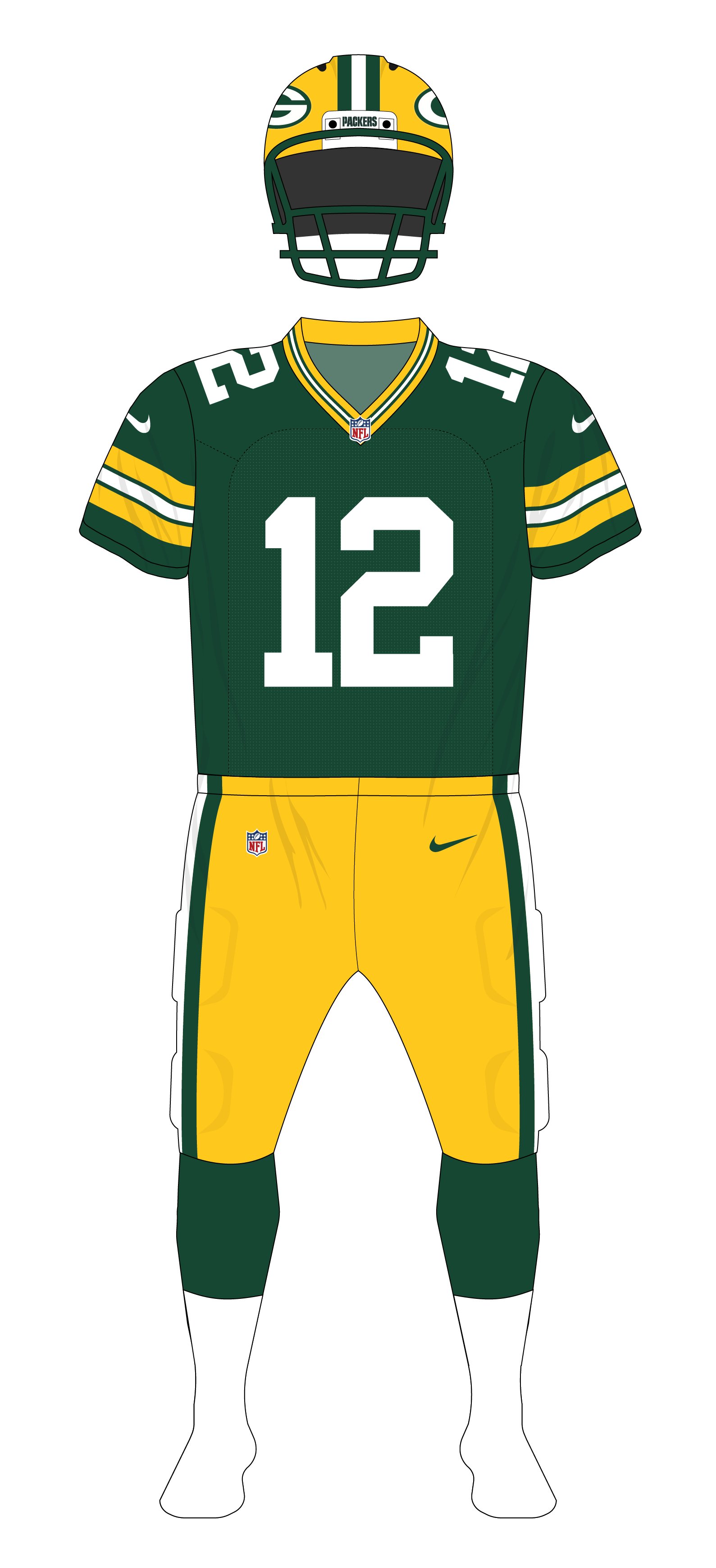
This means that more players than ever before are able to wear a single digit number on their jersey. So, these much-wanted numbers are no longer only available to quarterbacks, kickers, and punters. Following the implementation of the new rules, the numbers available to players are as follows:
- Kickers, quarterbacks, and punters – numbers 1 through 19.
- Running backs, tight ends, fullbacks, H-backs, and wide receivers – numbers 1 through 49 and 80 through 89.
- Defensive backs – numbers 1 through 49.
- Linebackers – numbers 1 through 59 and 90 through 99.
- Offensive linemen – numbers 50 through 79.
- Defensive linemen – numbers 50 through 79 and 90 through 99.
These changes were implemented mainly due to the expanded practice squads introduced as a result of COVID-19. Squad numbers were increased from 12 to 16. These expanded squads caused numbering issues for some clubs, hence the changes.
These expanded squads have now been adopted through to the 2031 season at least, so the changes to shirt numbering are an ongoing blessing for clubs and players alike.
They also provide an opportunity for more players to wear popular single digit numbers as opposed to the previous restrictions on many players doing so.




No Comment